
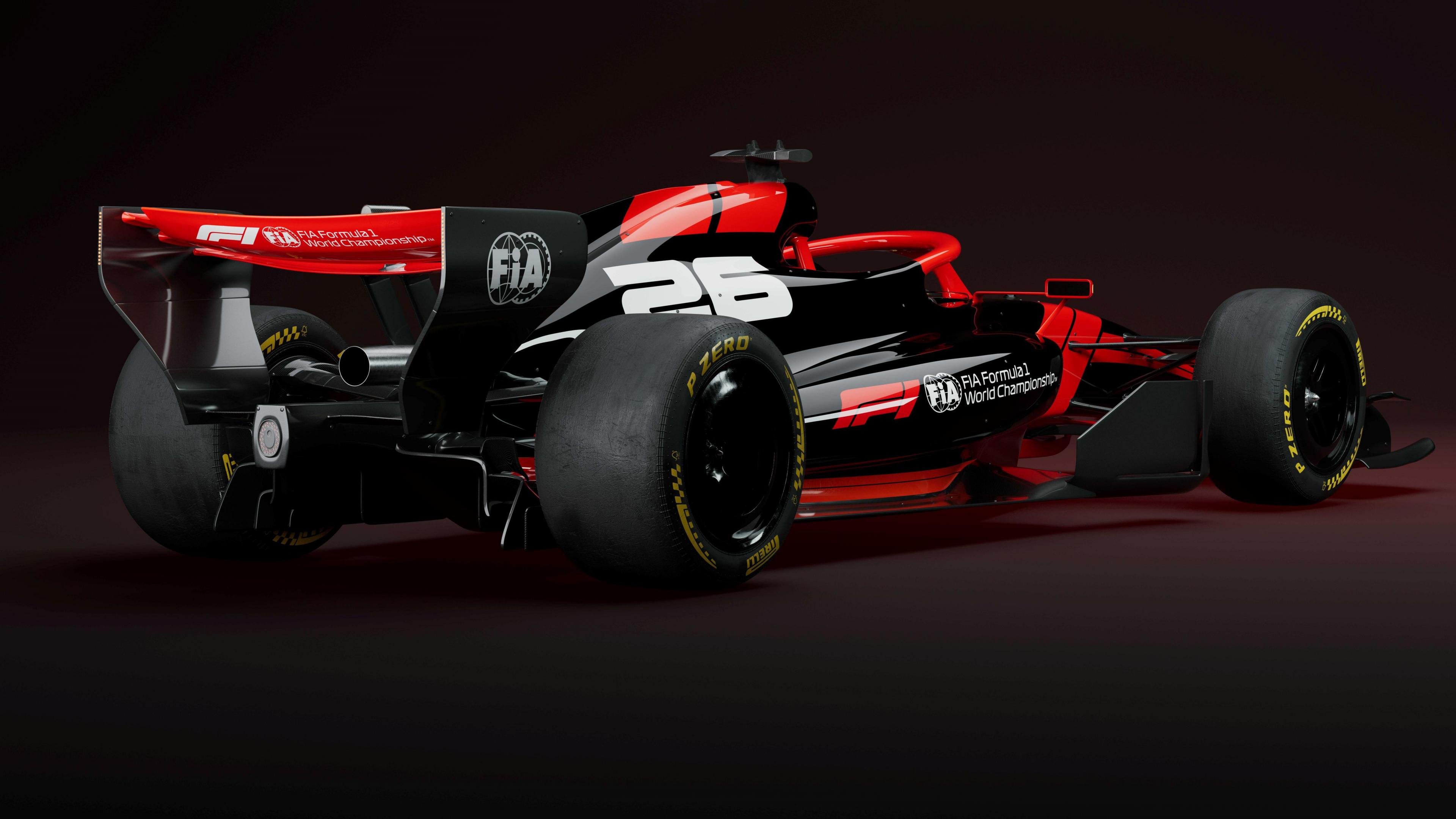
The vehicles for the 2026 season are set to be smaller, nimbler and more environmentally friendly compared to current models.
The world of Formula 1 has revealed the new vocabulary that will be used to explain the intricate details of its upcoming 2026 technical rules.
The sport is introducing what is considered the largest rules overhaul in its long history starting in 2026, featuring new chassis and engine rules and the compulsory introduction of fully sustainable fuels.
The new power units, which maintain the hybrid V6 layout, boast a greatly enhanced energy storage, driving key advancements in the vehicles' aerodynamic design.
Throughout races, competitors will carefully oversee ERS energy – potentially on hot laps – to achieve the peak result.
Extensive fan consultation were carried out with a diverse audience, including long-time followers and newcomers, to identify which phrases would aid comprehension of the key features of the 2026 changes.
The stated goal was to make a series of complex technical aspects of the racing as easy to grasp as possible for the widest audience.
Consequently, initial designations for certain devices – such as "modes labelled X and Z" for the moveable wings – have been abandoned in favor of descriptive names that clearly indicate the primary purpose of the technology.
Key Technical Innovations
According to rule-makers that drivers will have more power to determine tactics regarding power usage, energy recovery, and efficiency.
The 2026 rules feature a series of modes that will be shown on television graphics to improve the viewers' comprehension of the on-track action.
- Attack Mode: This takes over from the present overtaking aid. It provides a short boost of battery power accessible when a driver is less than a second the vehicle in front to execute an overtake.
- Extra Push Mode: This is a manual battery discharge from the energy recovery system that can be deployed for attack or defence. It provides the driver maximum power at the activation of a control.
Both of these crucial modes will have to be managed carefully, as the overall battery capacity is strictly limited.
- Adjustable Aero: Both the car's wings move automatically – spreading on the high-speed sections for low aerodynamic resistance and higher speed, and sealing in the turns for maximum downforce.
- Energy Harvesting: The system can harvest energy with power recovered from braking, or during throttle lift at the end of straights or in sections where only limited engine output is used.
2026 Car Specifications
The vehicles for the new era will be smaller and lighter relative to current models, with a wheelbase shortened by 200mm to 3,400mm, overall width reduced by 100mm – down to 1,900mm – and the minimum weight reduced by 30kg.
Overall downforce is anticipated to be reduced by approximately 15-30%, although constructors will naturally regain performance as they optimize their packages.
Drag has been cut by 40%. The cars will employ active aerodynamics – front and rear wings will open on the straights to reduce drag and enhance velocity and revert into place for optimal grip in corners.
Tyres will keep 18-inch wheel rims, but the rubber compounds will be slimmer, by 25 millimetres on the front axle and three centimetres on the rear.
2026 Engine Regulations
The 2026 engines will have an approximate 50-50 split in energy output by the ICE and the battery and motor, increasing from about 20% battery contribution under present rules.
The ERS setup is simplified through the removal of the Motor Generator Unit – Heat, the complicated and costly component that harvested power from the turbocharger.
Every car on the grid will be mandated to operate on 100% sustainable fuel, manufactured from organic sources or lab-created processes.


